


Withholding Tax for Electronic Services and Royalties: Key Regulations and Compliance in Taiwan

With the increasing frequency and diversity of cross-border transactions, the demand for procuring electronic services from abroad has only surged, particularly due to the acceleration of digital transformation during the COVID-19 pandemic. Payments made to foreign companies for services provided to Taiwanese businesses via the internet or other electronic methods are generally regarded as Taiwan-sourced income and are therefore subject to tax withholding.
Foreign companies earning income from providing services through online or other electronic methods may apply to the tax authority for approval of the applicable net profit ratio and the domestic contribution percentage, then used to calculate taxable income and withholding tax. If the applicable net profit ratio multiplied by the domestic contribution percentage exceeds 15%, and the provided services meet the criteria of Article 25 of the Income Tax Act regarding technical services, the foreign companies may also apply to calculate withholding tax based on 15% of revenue from Taiwan.
Furthermore, if the foreign company’s country has signed a Tax Treaty with Taiwan, the income derived from such services may, under qualifying conditions, be eligible for exemption as business profits. These are currently common methods to effectively reduce the actual withholding rate for cross-border electronic services.
Overview of South Korea’s Online Commerce Logistics Market and Future Expectations
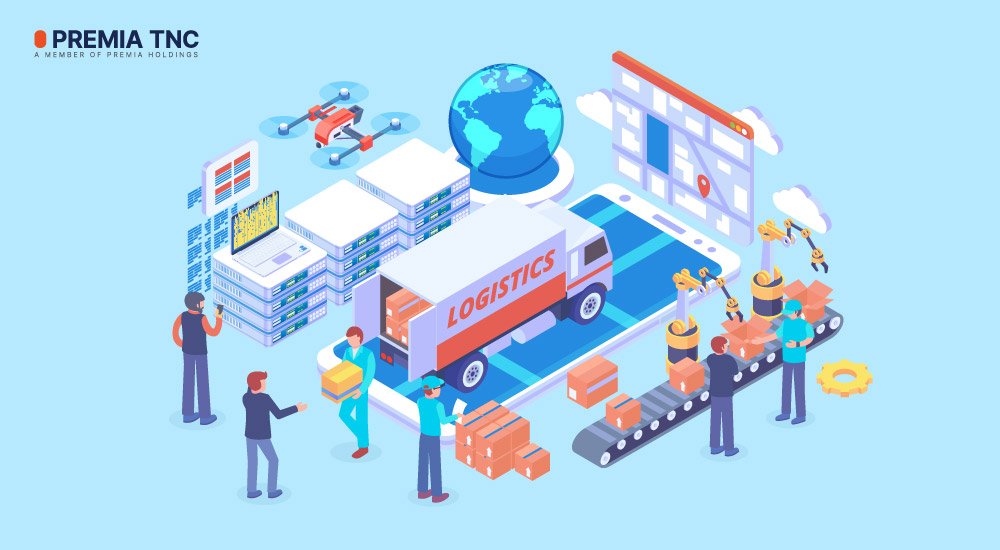
South Korea stands as a global leader in e-commerce, with a tech-savvy population and advanced digital infrastructure. The logistics sector plays a pivotal role in facilitating this online commerce boom, ensuring that products reach consumers efficiently and promptly.
Open a Hong Kong Company in the Holiday Season: Compliance, Convenience, and Professional Assistance

The holiday season is often viewed as a time to relax and unwind, but for entrepreneurs, it can also be an ideal moment to establish a new business. Opening a company in Hong Kong during this period offers unique advantages, particularly for overseas business owners looking to tap into Asia’s vibrant economic landscape. With its robust legal framework, attractive tax system, and strategic location, Hong Kong remains a top destination for different types of companies, especially the international companies. This article explores why starting a business in Hong Kong during the holidays makes sense, focusing on compliance, company naming, online registration options, and professional support.
Foreign Employment in Vietnam: Conditions for Recruiting and Employing Foreign Workers to Work in Vietnam

Vietnam’s flourishing economy has positioned the country as a prime destination for foreign professionals. With an expanding industrial landscape and a vibrant job market, employers increasingly seek global talent to fill roles requiring specialized skills. Understanding the intricate conditions for recruiting and employing foreign workers is paramount to ensure compliance with local laws and foster a seamless employment process.
Singapore Company Incorporation: Uncovering 10 Myths vs. Realities

Singapore has earned its reputation as one of the world’s leading business hubs. However, despite its global prominence, several myths about incorporating a company in Singapore continue to circulate. These misconceptions often deter potential investors and entrepreneurs from exploring opportunities in this dynamic market. This article aims to separate fact from fiction, addressing common myths and providing a clear picture of the realities surrounding Singapore company incorporation.
Bad Debts and Tax Relief: How to Handle Irrecoverable Debts in Malaysia

Bad debts are a grim reality for businesses operating in Malaysia. They occur when a customer or debtor is unable or unwilling to fulfill their financial obligations, leaving the creditor at a loss. These unpaid debts can stem from insolvency, disputes, or prolonged defaults. Their impact is far-reaching, straining cash flow, diminishing profitability, and hindering growth. In Malaysia, the financial implications of bad debts are particularly acute for small and medium-sized enterprises (SMEs), which often lack the cash reserves to absorb such losses.
Past, Present, and Future of South Korea’s Shipbuilding Industry and Global Positioning

South Korea’s shipbuilding industry has evolved into a global powerhouse, significantly contributing to the nation’s economic development and technological advancement. This article explores the historical progression, current status, and future prospects of this pivotal sector.
Taiwan Gold Card Benefits: Why It’s Perfect for Global Professionals

Taiwan’s Gold Card program has become a popular choice for professionals seeking a blend of career opportunities and an exceptional quality of life. This innovative visa combines work, residence, and tax benefits into one streamlined process, making Taiwan an attractive destination for global talent. Whether you’re a professional in technology, finance, or the arts, this guide will walk you through the steps of applying for Taiwan’s Gold Card, its benefits, and tips to ensure a successful application.
Essential Guide to Annual Maintenance Requirements for a Hong Kong Company

Running a company in Hong Kong comes with numerous benefits, from its robust legal framework to its tax-friendly policies. However, maintaining a company in Hong Kong also requires compliance with specific legal and administrative obligations to ensure smooth operations. One critical aspect of this process is managing the company’s annual maintenance requirements, which include banking, accounting, and statutory filings. This guide will delve into the importance of opening a bank account, selecting the right bank, understanding the types of bank accounts available, and ensuring your company meets these essential obligations.
Deductible and Non-Deductible Expenses in Malaysia

In Malaysia, the taxation system provides businesses with the opportunity to reduce their chargeable income by deducting specific allowable expenses. These deductions play a critical role in reducing the tax burden and ensuring compliance with Malaysia’s tax laws, particularly the Income Tax Act 1967. Properly identifying deductible and non-deductible expenses is essential for companies aiming to optimize their tax position while avoiding penalties. However, businesses must exercise caution as certain non-deductible expenses can inflate their taxable income, leading to higher tax obligations.