


Why Does “Too Expensive” or “Too Cheap” Trigger a Tax Audit in Taiwan? Understanding Transfer Pricing Risks in Taiwan Cross-Border Transactions
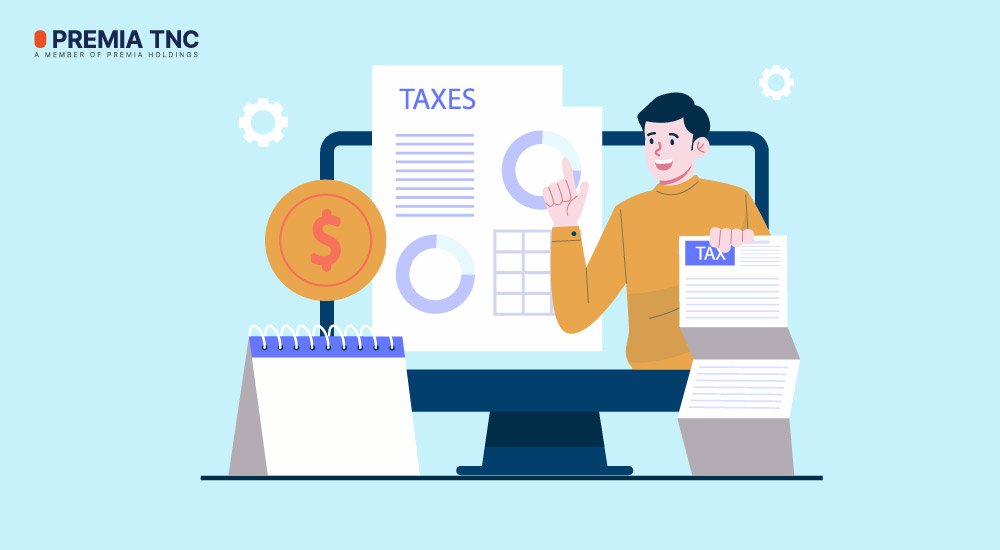
A transaction priced too expensively can erode taxable income in the buyer’s jurisdiction. In Taiwan, authorities may challenge high intercompany prices for inventory, management services, royalties, support charges, or intercompany interest. The audit question is usually straightforward: would an independent company really have paid this much for the same benefit?
What Is Taiwan’s Cosmetic PIF Regulation and How Does It Impact E-Commerce Sellers in 2026?

Starting this July, cosmetic products sold in Taiwan—whether through physical stores or e-commerce platforms—must have a complete Product Information File (PIF) prepared and maintained in compliance with regulatory standards. This requirement significantly increases compliance responsibilities for online sellers, who must now ensure that every listed product meets documentation, safety, and labeling requirements before sale.
VAT on Purchase Returns and Allowances in Taiwan: How Businesses Should Report Input Tax Reductions Correctly

In Taiwan, if a business has already claimed input VAT on a purchase, any later purchase return or allowance must be reported as a reduction of input VAT in the same filing period in which the event occurs.
How Foreign Investors Can Invest in Your Taiwan Company

This essay explores how foreign investors can invest in a Taiwanese company, focusing on legal structures, investment mechanisms, regulatory requirements, and key considerations for successful investment in Taiwan.
Understanding Overtime Pay Calculation in Taiwan: A Guide to Labor Laws and Employee Rights

Understanding how overtime pay is calculated is important for both employers and employees to ensure compliance with the law and to avoid disputes in the workplace.
Taiwan Company Compliance in March: Step-by-Step Shareholder and Director Filing

For companies operating in Taiwan, maintaining corporate compliance is an ongoing responsibility, especially regarding the annual filing of shareholder and director information. Every March, companies must ensure their records are updated with the Ministry of Economic Affairs (MOEA) to remain compliant with regulations. This guide provides a professional, step-by-step overview to help companies complete their annual filings efficiently and avoid penalties.
How a YouTuber Can Run Their Own Business in Taiwan

Whether you want to create a content production company, offer online services, or monetize your platform in new ways, Taiwan offers ample opportunities. This guide will explore how a YouTuber can establish and run their own business in Taiwan, touching on legal structures, financial considerations, and business strategies.
Taiwan Non-Resident Income Tax: Complete Guide for Foreign Individuals

This article provides a comprehensive explanation of how non-resident individuals declare and pay individual income tax in Taiwan, including applicable withholding rates by income category.
Selling Physical Goods into Taiwan: B2C Cross-Border Transaction Models and Tax Considerations
Taiwan presents a dynamic and attractive B2C market for overseas companies seeking to expand their global footprint. With a well-regulated business environment, transparent customs procedures, and predictable tax framework, Taiwan offers foreign sellers the confidence to plan and execute cross-border sales efficiently. Understanding the different transaction models and their associated tax considerations is essential for ensuring compliance while optimizing operational efficiency.
Understanding the Role of Supervisors in a Taiwan Limited Company by Shares

This article provides an in-depth look at the role, legal position, and practical functions of supervisors in a company limited by shares, helping business owners, investors, and corporate officers understand why this position plays a critical role in corporate accountability.