


From Opportunity to Profit: Building Sustainable Growth in Vietnam

In our previous episodes, we’ve explored how Vietnam offers immense opportunities for investors in sectors like e-commerce, consulting, recruitment, and labor outsourcing. Now, in Episode 8, we shift our focus to the critical aspects of sustainable growth and cost management efficiency that ensure long-term profitability in the Vietnamese market. For foreign investors from Singapore, Hong Kong, and beyond, the potential for high-margin returns combined with cost-efficient operations creates a powerful business model for success in Vietnam.
Vietnam’s economy has rapidly grown in recent years, becoming one of Southeast Asia’s most dynamic and attractive investment destinations. The country offers both robust growth prospects and a cost-effective operational environment, making it ideal for businesses looking to expand in the region. By capitalizing on Vietnam’s low operational costs, skilled workforce, and rapidly developing infrastructure, businesses can scale efficiently while building a sustainable and profitable enterprise.
This episode will delve into how cost management, knowledge transfer, and strategic growth can help you build a sustainable business in one of Southeast Asia’s fastest-growing economies. We will also provide key insights and real-world examples of how successful companies have leveraged these advantages to build scalable, profitable businesses in Vietnam.
FDI Impact on Vietnam’s E-commerce Boom

Vietnam’s e-commerce sector has witnessed unprecedented growth in recent years, becoming one of the most dynamic markets in Southeast Asia. With a burgeoning middle class, increasing internet penetration, and a rapidly developing digital infrastructure, the country has become an attractive destination for foreign direct investment (FDI). The influx of foreign capital has significantly influenced the trajectory of the nation’s e-commerce boom, driving technological innovation, enhancing logistical capabilities, and expanding market access. This article delves into the impact of FDI on Vietnam’s e-commerce industry, highlighting key trends, challenges, and opportunities created by foreign investments.
Vietnam’s economy has rapidly grown in recent years, becoming one of Southeast Asia’s most dynamic and attractive investment destinations. The country offers both robust growth prospects and a cost-effective operational environment, making it ideal for businesses looking to expand in the region. By capitalizing on Vietnam’s low operational costs, skilled workforce, and rapidly developing infrastructure, businesses can scale efficiently while building a sustainable and profitable enterprise.
This episode will delve into how cost management, knowledge transfer, and strategic growth can help you build a sustainable business in one of Southeast Asia’s fastest-growing economies. We will also provide key insights and real-world examples of how successful companies have leveraged these advantages to build scalable, profitable businesses in Vietnam.
Ho Chi Minh City’s International Financial Center: A Gateway for FDI from Global Investors

In recent years, Ho Chi Minh City has emerged as a leading financial center within Southeast Asia. With its vibrant economy, rapid urban development, and proactive government policies, the city has attracted the attention of global investors. One of the main catalysts for this rise is the establishment of the International Financial Center (IFC) in Ho Chi Minh City, which acts as a strategic gateway for Foreign Direct Investment (FDI). This article explores how the city’s IFC is transforming it into a pivotal hub for global capital flows and providing unprecedented opportunities for foreign investors.
The Future of Vietnam’s Cross-Border E-Commerce Market

Vietnam’s cross-border e-commerce sector is on the cusp of a transformative era. As consumer expectations evolve and global goods become increasingly accessible, Vietnam stands out as a rapidly advancing digital marketplace. The country’s strategic geographic position, vibrant economy, and youthful population create fertile ground for international trade. The momentum is undeniable—cross-border e-commerce is becoming embedded in the daily purchasing rhythms of millions of Vietnamese consumers. This shift sets the stage for profound long-term implications, not only for brands but for the architecture of online commerce in Southeast Asia.
Vietnam’s economy has rapidly grown in recent years, becoming one of Southeast Asia’s most dynamic and attractive investment destinations. The country offers both robust growth prospects and a cost-effective operational environment, making it ideal for businesses looking to expand in the region. By capitalizing on Vietnam’s low operational costs, skilled workforce, and rapidly developing infrastructure, businesses can scale efficiently while building a sustainable and profitable enterprise.
This episode will delve into how cost management, knowledge transfer, and strategic growth can help you build a sustainable business in one of Southeast Asia’s fastest-growing economies. We will also provide key insights and real-world examples of how successful companies have leveraged these advantages to build scalable, profitable businesses in Vietnam.
Operational Efficiency, Cost Management & Knowledge Transfer in Vietnam

In previous episodes, we’ve explored how Vietnam offers unmatched opportunities in sectors like e-commerce, trade, consulting, and outsourcing. Now, in Episode 7, we turn our focus to operational efficiency and cost management—two of the most significant advantages of doing business in Vietnam. For foreign investors from Singapore and Hong Kong, Vietnam provides a unique opportunity to optimize operational costs while benefiting from the country’s rapidly evolving knowledge transfer capabilities. Whether you’re looking to improve your supply chain, reduce overhead, or foster innovation, Vietnam offers a cost-effective and strategic environment to scale and grow your business.
This episode will explore how Vietnam’s low operational costs, skilled labor force, and growing knowledge transfer ecosystem can be leveraged to drive long-term profitability and efficiency gains. We will provide you with detailed examples and real-world data to show how businesses can achieve significant cost reductions while simultaneously gaining access to cutting-edge expertise. Through these examples, you will see how Vietnam stands out as a favorable destination for businesses looking to improve their bottom line while positioning themselves for future growth.
How AI Is Transforming Strategic Planning in Modern Enterprises

Artificial intelligence is reshaping the foundations of strategic planning across modern enterprises. What once relied heavily on executive intuition and fragmented data now benefits from computational accuracy, rapid pattern detection, and astonishing predictive power. Organizations are moving beyond traditional planning cycles to embrace dynamic, evidence-driven strategies fueled by algorithmic intelligence. The transformation is profound, redefining how enterprises anticipate change, allocate resources, and pursue long-term advantage.
How AI is Transforming Vietnam’s E-commerce Industry

Vietnam’s e-commerce sector is experiencing a rapid expansion, fueled by increasing internet connectivity, mobile penetration, and a growing middle class. This dynamic market presents numerous opportunities for businesses, especially in the wake of digital transformation. The surge in online shopping and digital transactions is reshaping industries, with artificial intelligence (AI) playing a pivotal role in driving this evolution. From personalizing shopping experiences to optimizing logistics, AI is fundamentally changing how e-commerce operates in Vietnam.
Agricultural and Food Export Supply Chain: Vietnam as a Transit and Production Point for FDI 2026

Vietnam has emerged as a critical player in the global agricultural and food export supply chain. As one of Southeast Asia’s most vibrant economies, the country is poised to leverage its strategic position, youthful labor force, and favorable policies to further solidify its status as a transit and production point for Foreign Direct Investment (FDI) in the agricultural sector. By 2026, Vietnam’s agricultural export capacity is set to expand significantly, powered by foreign investments in production, processing, and logistics. This article explores how Vietnam is positioning itself to capture more FDI in the agricultural and food export supply chain, the key trends shaping this transformation, and what the future holds for the sector.
Vietnam’s Carbon Credit System: A Gateway for Foreign Investors
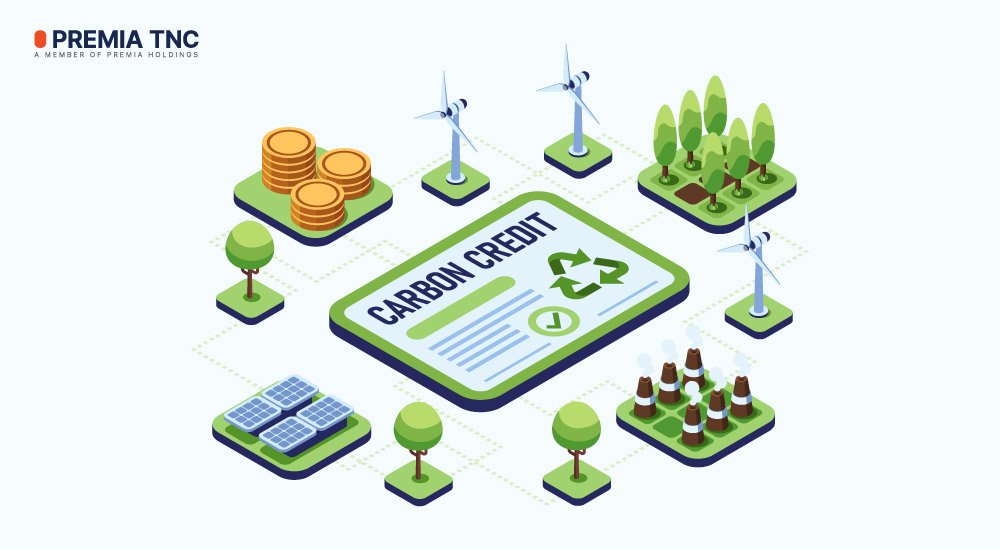
Carbon credit systems have become crucial in the global fight against climate change. These systems allow companies and governments to offset their carbon emissions by purchasing credits tied to projects that reduce or eliminate greenhouse gases.
Labor Outsourcing & Recruitment (EOR) Leveraging Vietnam’s Modern Market

For investors from key global hubs such as Singapore and Hong Kong, establishing an outsourcing or recruitment firm in Vietnam presents a unique opportunity to tap into a high-growth, low-cost labor market while also capitalizing on broader global workforce trends.
Let’s explore how freelancing and hybrid work are reshaping Vietnam’s labor market and how these shifts are creating compelling opportunities for outsourcing and recruitment firms to scale rapidly and expand their global reach.